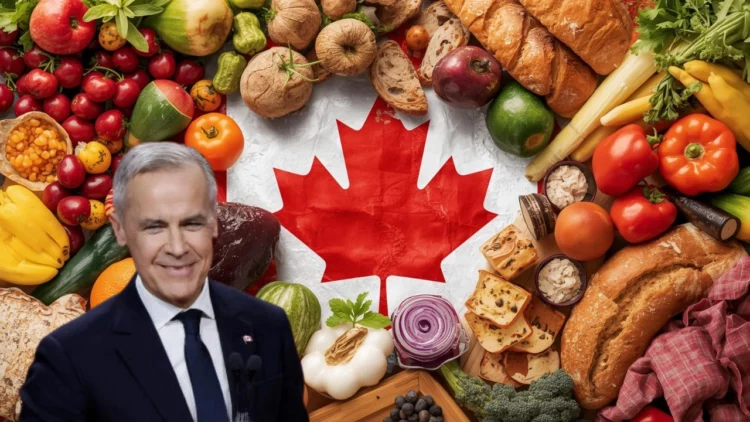
Mark Carney’s proposal for a one-time grocery rebate has been presented as a fast, visible response to rising food prices. Supporters argue that a lump-sum payment shows action and delivers immediate help at a time when households are struggling to keep up with basic expenses. Critics, however, say the policy falls short where it matters most. For many low-income Canadians, a one-time rebate offers only temporary relief and does little to address the deeper, ongoing affordability crisis.
As discussion around the rebate grows and expectations build that payment is coming, it is worth looking closely at who benefits, who is left behind, and why many advocates believe the approach needs a rethink.
The Context Behind the Grocery Rebate Proposal
Food prices have risen sharply over the past several years. For low-income households, groceries are not a flexible expense. Rent, utilities, transportation, and food already consume most of their income. When grocery bills rise, there is little room to cut back without sacrificing nutrition or basic needs.
Against this backdrop, Mark Carney’s one-time grocery rebate has been framed as a targeted measure to offset food inflation. The logic is simple: give people cash quickly so they can manage higher prices without waiting for complex program changes.
The appeal of a one-time payment is political as well as practical. It is easy to announce, straightforward to administer using existing tax and benefit systems, and highly visible to the public. But simplicity does not always translate into effectiveness, especially for those living on the edge.
What the One-Time Grocery Rebate Is Supposed to Do
The rebate is positioned as a direct cash payment meant to help households cope with higher grocery costs. Rather than vouchers or store-specific credits, the proposal emphasizes flexibility. Recipients can spend the money where they need it most, whether that is food, rent, or utilities.
The payment is described as automatic for eligible individuals, with no application required. This design mirrors other one-time relief payments and aims to ensure quick delivery once the program is activated. With payment coming, expectations are high that households will see at least some short-term relief.
However, the core question remains whether a single payment can meaningfully improve food security for those with the lowest incomes.
Why Low-Income Earners See Limited Benefit
For low-income Canadians, the problem is not a one-month spike in grocery bills. It is the ongoing gap between income and the cost of living. A one-time rebate, no matter how well intentioned, does not change that reality.
The Payment Is Quickly Absorbed by Existing Costs
Low-income households often use any unexpected funds to catch up on overdue bills. Rent arrears, utility balances, and credit card debt tend to take priority. By the time groceries are purchased, much of the rebate may already be gone.
This does not mean the payment is useless, but it does mean it rarely translates into sustained access to healthier or more consistent food choices.
Rising Prices Outpace One-Time Relief
Food inflation is not a one-off event. Prices continue to rise month after month. A single rebate may cover a few grocery trips, but it does not keep pace with ongoing increases.
For someone already spending most of their income on essentials, the relief fades quickly. Within weeks, households are back to facing the same impossible trade-offs.
Income Thresholds Can Miss the Most Vulnerable
One-time rebates often rely on income thresholds tied to tax data. While this helps target payments broadly, it can miss people with unstable or irregular incomes. Those working multiple part-time jobs, gig workers, or people experiencing sudden income loss may not qualify even though they are struggling the most.
In these cases, payment is coming for some, but not for others who arguably need it more.
The Problem With One-Time Payments as Policy
One-time payments are attractive because they are fast and visible, but they come with structural limitations.
They Do Not Address Systemic Issues
Food insecurity is linked to wages, housing costs, social assistance rates, and access to affordable services. A grocery rebate does not change any of these factors. It treats the symptom rather than the cause.
Without broader reforms, households remain vulnerable to the next price increase or economic shock.
They Create Uncertainty for Households
Low-income earners cannot plan around one-time payments. Because the rebate is not recurring, it cannot be built into a monthly budget. This uncertainty makes it difficult to make longer-term decisions about food, health, or housing.
When payment is coming but not guaranteed again, households are forced to treat it as temporary relief rather than meaningful support.
They Shift Attention Away From Long-Term Solutions
High-profile rebates can dominate public discussion and create the impression that action has been taken. This can reduce pressure for more difficult but necessary reforms, such as increasing social assistance rates or strengthening income supports.
Critics argue that one-time rebates risk becoming substitutes for real policy change rather than stepping stones toward it.
How Middle-Income Households Benefit More
Ironically, one-time grocery rebates may offer more noticeable benefit to middle-income households than to low-income ones.
Middle-income earners often have more financial flexibility. When they receive a rebate, they are more likely to use it directly for groceries or savings rather than debt repayment. As a result, the payment feels more impactful.
This creates a perception gap. While the policy is framed as help for those most affected by food inflation, its real-world benefits may skew toward those who are already more financially stable.
The Psychological Effect of a One-Time Rebate
Supporters often highlight the psychological relief that comes with receiving a cash payment. Knowing that payment is coming can reduce stress and provide a sense of being supported.
For low-income earners, however, this effect can be short-lived. Once the money is spent and prices remain high, stress returns. Some advocates worry that repeated cycles of short-term relief followed by renewed hardship can actually deepen frustration and mistrust in public policy.
Alternatives Advocates Say Would Work Better
Many experts and community organizations argue that if the goal is to improve food security, there are more effective options than one-time rebates.
Strengthening Ongoing Income Supports
Increasing existing benefits such as social assistance, disability support, or senior supplements provides predictable, monthly help. This allows households to plan and reduces reliance on emergency measures.
Indexing Benefits to Food Inflation
Linking benefit levels directly to food prices ensures that support keeps pace with real costs. This approach recognizes that groceries are a basic necessity, not a discretionary expense.
Investing in Affordable Food Programs
Community food programs, subsidies for healthy food, and support for local food systems can reduce costs at the source. While these measures take longer to implement, they address structural problems rather than offering temporary fixes.
Political Appeal Versus Practical Impact
From a political standpoint, a one-time grocery rebate is easy to explain and quick to deliver. It creates a clear message: help is on the way, payment is coming.
From a practical standpoint, the impact is uneven. Those with the least financial cushion see the smallest long-term benefit. This disconnect fuels criticism that the policy prioritizes optics over outcomes.
What Low-Income Canadians Are Saying
Feedback from low-income earners and advocacy groups has been consistent. Many appreciate any form of assistance, but they question whether the rebate reflects an understanding of their daily realities.
For households choosing between rent and groceries, a one-time payment feels like a temporary pause rather than real progress. The concern is not just about the size of the rebate, but about its inability to provide lasting stability.
What Happens After the Rebate Is Spent
Once the rebate is used, households return to the same pressures they faced before. Without changes to income levels or cost structures, food insecurity remains.
This raises a fundamental question: should grocery affordability be addressed through occasional payments, or through policies that reshape the economic conditions causing the problem?
The Bigger Picture Going Forward
As discussion around Mark Carney’s grocery rebate continues and expectations rise that payment is coming, the broader debate is unlikely to fade. One-time relief measures may offer short-term comfort, but they do not replace the need for long-term solutions.
Low-income Canadians are not asking for handouts that arrive once and disappear. They are asking for stability, predictability, and policies that reflect the real cost of living.
Mark Carney’s one-time grocery rebate highlights the tension between quick action and meaningful change. While the payment may provide brief relief and send a message of support, its impact on low-income earners is limited by design.
As food prices continue to rise, the focus will increasingly shift toward whether policymakers are willing to move beyond one-time measures and address the structural issues driving food insecurity. Until then, payment may be coming, but for many households, the relief it brings will be fleeting.