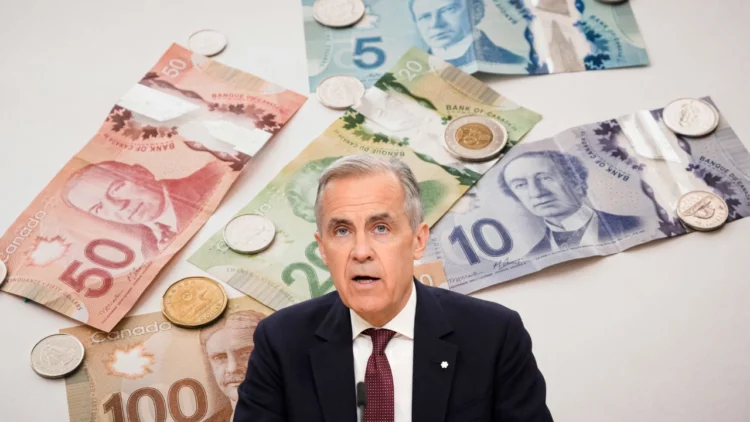
Mark Carney has announced plans for a new $1,890 one-time payment in 2026, aimed at providing targeted financial relief as cost-of-living pressures continue to affect households across the country. The announcement has immediately drawn attention from seniors, low- and middle-income Canadians, and those relying on government benefits, with many asking the same questions: who qualifies, when the payment is expected, and how it will be delivered.
While final implementation details are expected to be released through official government channels, the payment has been positioned as a confirmed relief measure, not a loan and not a recurring benefit. Below is a detailed breakdown of what has been announced so far, how eligibility is expected to work, and what Canadians should do now to ensure they do not miss out.
What the $1,890 One-Time Payment Is Meant to Do
The $1,890 payment is being presented as a direct financial support measure designed to help Canadians manage ongoing affordability challenges. Rising housing costs, food prices, energy bills, and healthcare expenses have continued to strain household budgets, particularly for people on fixed or modest incomes.
According to the announcement, this payment is intended to:
- Provide immediate financial relief rather than long-term program changes
- Support vulnerable and middle-income households
- Offset cost increases without increasing monthly benefit complexity
- Deliver funds quickly using existing government systems
Unlike regular benefit programs, this payment is structured as a single lump-sum deposit, allowing recipients to use the money where it is needed most.
Confirmed Payment Amount
The announced amount is $1,890 per eligible individual. This is a flat amount, not calculated on a sliding scale, and is expected to be issued once during 2026.
Key points about the payment amount include:
- One-time payment, not recurring
- No repayment required
- Not tied to employment status
- Not designed to replace existing benefits
For couples where both individuals meet eligibility requirements, each person may qualify separately, meaning a household could receive a combined amount.
Who Is Expected to Be Eligible
Although full legislative details are still being finalized, the eligibility framework outlined in the announcement closely follows existing government benefit structures. This approach allows payments to be issued quickly without requiring a separate application process.
Seniors
Seniors are expected to be a primary group eligible for the $1,890 payment. This includes individuals who:
- Are aged 65 or older in 2026
- Receive Old Age Security
- Receive the Guaranteed Income Supplement
- Receive Canada Pension Plan retirement benefits
The payment is intended to supplement, not reduce, these existing programs.
Low- and Middle-Income Adults
Working-age adults with modest incomes are also expected to qualify. Eligibility is likely to be assessed using income data from the most recent tax return available to the government.
This group may include:
- Individuals earning below a defined income threshold
- Families facing increased household expenses
- Canadians not currently receiving senior benefits but still experiencing affordability pressures
Exact income cut-offs will be clarified once formal regulations are released.
Individuals Who Filed Recent Tax Returns
As with most federal payments, filing a tax return is expected to be essential. The government relies on tax data to verify income, residency, and eligibility.
Canadians who have not filed recent returns may risk missing the payment unless they update their records.
Who Will Not Need to Apply
One of the key features of the announced payment is automatic delivery. Eligible Canadians are not expected to submit a separate application.
If you already:
- Receive federal benefits
- Have direct deposit set up
- File taxes regularly
then the payment is expected to be processed automatically using existing information.
This approach reduces administrative delays and ensures faster delivery.
Expected Payment Dates in 2026
While an exact deposit date has not yet been published, the announcement indicates the payment will be issued during 2026, with timing aligned to existing benefit schedules.
Based on standard government practices, payments are likely to be issued:
- In the first half of 2026, or
- In a specific month tied to fiscal or benefit cycles
Once finalized, the government is expected to publish a clear payment schedule, including exact dates for direct deposits and mailed cheques.
Canadians enrolled in direct deposit will receive funds faster than those receiving cheques by mail.
How the Payment Will Be Delivered
The $1,890 payment is expected to be delivered through the same systems used for other federal payments.
Direct Deposit
Direct deposit will be the primary delivery method. Funds will be deposited directly into the bank account on file.
This method is faster, more secure, and avoids postal delays.
Cheque by Mail
Canadians without direct deposit set up may receive a cheque by mail. These payments typically arrive later than direct deposits.
Keeping mailing information up to date will be important.
Tax Treatment of the Payment
Based on how the payment has been described, the $1,890 amount is expected to be non-taxable. This means:
- It would not count as taxable income
- It would not reduce eligibility for other benefits
- It would not need to be reported as income in most cases
Final confirmation will come once official tax guidance is issued, but the intention is to ensure recipients keep the full amount.
Impact on Existing Benefits
The payment is not intended to replace or reduce current programs. Seniors receiving OAS, GIS, or CPP are expected to continue receiving their full monthly amounts.
Similarly, the payment is not designed to interfere with other income-tested supports.
This structure ensures the $1,890 payment acts as an additional layer of support rather than a substitute.
Why This Payment Matters in 2026
The announcement comes at a time when many Canadians are still adjusting to sustained cost increases rather than short-term inflation spikes.
Key pressures include:
- Higher housing and rental costs
- Increased grocery prices
- Rising utility and insurance bills
- Healthcare and prescription expenses for seniors
A one-time payment provides flexibility, allowing households to address their most urgent needs rather than being locked into specific spending categories.
What Canadians Should Do Now
Even though the payment is coming in 2026, there are steps Canadians should take now to avoid delays or missed payments.
File Your Taxes
Ensure your most recent tax return is filed, even if you had little or no income.
Update Direct Deposit Information
Check that your bank details are accurate and active.
Confirm Personal Information
Make sure your address and contact details are current to avoid issues with mailed cheques or official notices.
Watch for Official Updates
Payment dates, income thresholds, and final eligibility rules will be confirmed through official government communications.
Avoiding Misinformation and Scams
As news of the $1,890 payment spreads, Canadians should remain cautious. Legitimate government payments do not require:
- Upfront fees
- Personal information via unsolicited calls or messages
- Links sent through social media
Any request asking for sensitive information should be treated with caution.
The announced $1,890 one-time payment in 2026 represents a significant relief measure aimed at easing financial pressure for millions of Canadians. With automatic delivery, a simple eligibility structure, and no application required, the payment is designed to reach people quickly and efficiently.
While final payment dates and income thresholds will be confirmed closer to rollout, the message is clear: the payment is coming, and preparation now will ensure eligible Canadians receive it without delay.
As more official details are released, clarity around timing and eligibility will continue to improve. For now, staying informed and keeping records up to date remains the best way to be ready when the payment arrives.