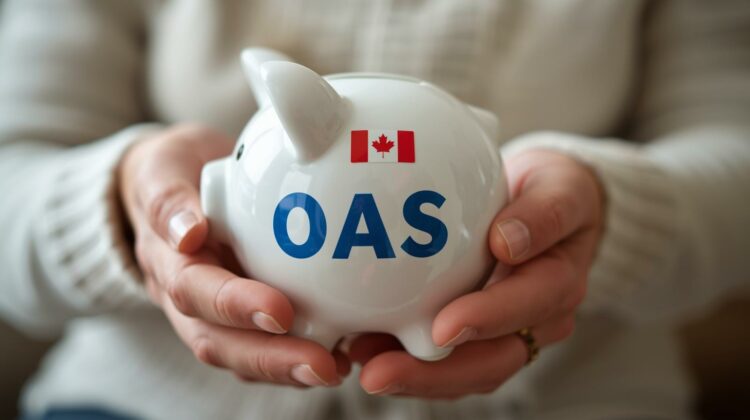
For millions of older Canadians, Old Age Security is a critical part of monthly income. After years of modest increases that struggled to keep up with rising housing costs, groceries, utilities and medical expenses, 2026 is shaping up to bring meaningful change. Beginning in February 2026, seniors are expected to see stronger Old Age Security adjustments that could mark the end of what many have described as “low OAS payments.”
Payment is coming, and for eligible seniors, that increase could provide much-needed financial breathing room.
This detailed guide explains what is changing in February 2026, who qualifies, how much payments may increase, how eligibility works, and what seniors should do now to ensure they receive the full benefit.
What Is Old Age Security and Why It Matters
Old Age Security, commonly known as OAS, is one of Canada’s core retirement income programs. Unlike the Canada Pension Plan, OAS is not based on employment contributions. Instead, it is funded through general tax revenue and paid to eligible seniors who meet age and residency requirements.
OAS is designed to provide a basic income floor in retirement. For many low- and middle-income seniors, it works alongside the Guaranteed Income Supplement and the Canada Pension Plan to cover essential living costs.
When OAS increases, it directly affects monthly budgets. Even a modest adjustment can make a noticeable difference over the course of a year.
Why February 2026 Is Important
OAS payments are adjusted quarterly based on inflation. However, policymakers have faced growing criticism that inflation-based adjustments alone have not kept pace with real-world cost increases, especially in housing and healthcare.
Starting in February 2026, enhanced adjustments are expected to reflect stronger indexing measures and improved calculation formulas. The goal is to prevent seniors from falling behind during periods of prolonged cost-of-living pressure.
While final figures depend on inflation data and federal budget implementation, the February 2026 increase is projected to be larger than typical quarterly adjustments seen in previous years.
Payment is coming, and seniors who qualify could see higher monthly deposits beginning with the February cycle.
Expected OAS Payment Increases in 2026
Although official confirmed numbers are released closer to implementation, projections suggest:
- Standard OAS recipients aged 65 to 74 may see a noticeable monthly increase.
- Seniors aged 75 and older, who already receive a higher base amount, may see a proportionally higher boost.
- Low-income seniors receiving Guaranteed Income Supplement could benefit indirectly if thresholds are adjusted.
Even an increase of $40 to $80 per month results in hundreds of dollars more annually. For households relying heavily on OAS, this can help cover rising rent, grocery bills or prescription costs.
The increase is expected to apply automatically. There is no separate application required for those already receiving OAS.
Who Is Eligible for the February 2026 OAS Boost
Eligibility rules for OAS remain consistent, but it is important to understand them clearly.
Age Requirement
You must be at least 65 years old to qualify for OAS. Payments typically begin the month after your 65th birthday unless you choose to defer.
Residency Requirement
To receive a full OAS pension, you must have lived in Canada for at least 40 years after age 18. If you have lived in Canada for at least 10 years but less than 40, you may qualify for a partial pension.
Legal Status
You must be a Canadian citizen or legal resident at the time your application is approved. Some individuals living abroad may still qualify if they meet minimum residency requirements.
Income Considerations
High-income seniors may be subject to the OAS recovery tax, often referred to as the clawback. If your annual income exceeds the established threshold, part or all of your OAS may be reduced.
For most low- and middle-income seniors, however, the February 2026 increase should apply in full.
How Much Could Seniors Receive
OAS amounts are divided by age group:
- Seniors aged 65 to 74 receive a standard monthly amount.
- Seniors aged 75 and older receive an enhanced base amount that was introduced in recent years.
With the expected February 2026 boost, projected monthly totals could rise meaningfully compared to 2025 levels.
For example, if inflation indexing results in a 4 percent increase and additional adjustments are layered in, seniors could see their payments rise well above previous incremental increases.
Payment is coming, and for many seniors, that means a larger deposit beginning in February.
Guaranteed Income Supplement and Its Role
The Guaranteed Income Supplement provides additional monthly support to low-income OAS recipients. GIS is income-tested and recalculated annually based on your tax return.
If OAS increases in February 2026, GIS thresholds may also be adjusted. That could help ensure the lowest-income seniors do not lose support due to minor income shifts.
For seniors who qualify for both OAS and GIS, the combined monthly amount could see a noticeable improvement in 2026.
Will Seniors Need to Apply Again
Most seniors will not need to reapply.
If you are already receiving OAS, any increase will automatically be reflected in your monthly payment starting in February 2026.
However, if you recently turned 65 and have not yet applied, or if you deferred your OAS and plan to start receiving it soon, you should ensure your application is processed on time to benefit from the higher rate.
OAS Deferral Strategy in 2026
Some seniors choose to delay OAS beyond age 65. For each month you defer, your payment increases by 0.6 percent, up to a maximum of 36 percent at age 70.
With the February 2026 boost factored in, deferring may become even more attractive for certain retirees who have other income sources and want to maximize lifetime benefits.
However, deferral is not right for everyone. Seniors with limited savings often benefit more from starting OAS at 65 and receiving the boosted amount immediately.
OAS Clawback Threshold for 2026
Higher payments can sometimes push seniors closer to the income recovery threshold.
The OAS recovery tax applies when annual income exceeds a specific limit. If your income crosses that threshold, part of your OAS is gradually reduced.
While thresholds are adjusted annually, seniors with investment income, rental income or part-time employment should monitor their taxable income to avoid unexpected reductions.
For the majority of low- and moderate-income seniors, the clawback will not apply.
How Inflation Impacts OAS
OAS is indexed quarterly to the Consumer Price Index. If inflation rises, payments increase. If inflation falls, payments do not decrease.
The February 2026 boost reflects accumulated inflation and potential policy adjustments. With living costs still elevated compared to pre-2022 levels, indexing alone has not been sufficient in the eyes of many seniors.
This new adjustment cycle aims to better align OAS payments with real-world cost pressures.
What Seniors Should Do Now
To ensure you receive the February 2026 increase without delay, consider the following steps:
File Your Taxes On Time
Even if you have little or no income, filing your annual tax return ensures accurate benefit calculations.
Confirm Direct Deposit Details
Verify that your banking information is correct to avoid payment delays.
Review Your Residency History
If you lived outside Canada for extended periods, confirm how many qualifying years you have to determine whether you receive full or partial OAS.
Monitor Income Levels
If you are close to the clawback threshold, consult a financial advisor about managing taxable income.
Broader Impact on Senior Financial Stability
The February 2026 OAS boost represents more than just a monthly increase. It signals recognition that seniors need stronger financial support in an era of high housing costs, food price inflation and rising healthcare expenses.
For retirees without workplace pensions, OAS often makes up a significant portion of income. An enhanced payment provides stability and predictability, which are essential for budgeting.
Payment is coming, and for many seniors, that means improved financial security in 2026.
Frequently Asked Questions
Will everyone over 65 receive the same increase
The increase will apply proportionally to existing payment levels. Seniors aged 75 and older will continue to receive a higher base amount.
Is the February 2026 payment taxable
OAS is considered taxable income. While the increase boosts monthly deposits, it is still subject to income tax.
Can seniors living abroad receive the increase
If you meet residency requirements and already receive OAS abroad, the increased amount will apply automatically.
What if I turn 65 in 2026
If you become eligible in 2026 and apply, you will receive the updated payment rate in effect at that time.
After years of gradual increases that many felt were insufficient, February 2026 is expected to bring stronger OAS payments that better reflect today’s cost-of-living reality.
For eligible seniors, payment is coming. The upcoming adjustment may not solve every financial challenge, but it represents meaningful progress in supporting Canada’s aging population.
By understanding eligibility rules, income limits and payment structures, seniors can ensure they receive the full benefit of the enhanced OAS system beginning in February 2026.