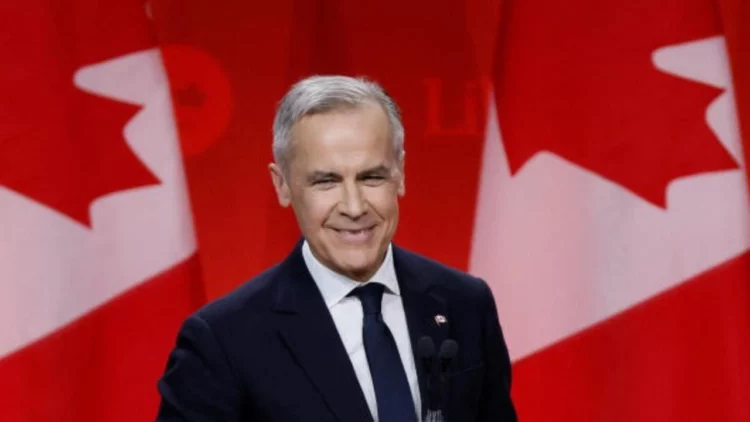
Talk of a $1,533 Canada Pension Plan payment arriving by direct deposit in February 2026 has been gaining attention, particularly following comments and policy discussions associated with Mark Carney’s economic outlook for Canada. While the Canada Pension Plan is administered through established federal systems and not set by any one individual, growing interest in this figure reflects broader expectations about future CPP increases tied to wages, inflation, and long-term pension sustainability.
As Canadians plan for retirement and manage rising living costs, clarity around CPP payments matters. This article explains what the $1,533 figure represents, who could receive it, how CPP payments are calculated, why February 2026 is being discussed, and what retirees should realistically expect as that date approaches.
Understanding the $1,533 CPP Payment Figure
The $1,533 amount being discussed refers to a projected maximum monthly CPP retirement pension, not a flat payment that every retiree will receive. Each year, CPP payments are adjusted based on changes in average wages across Canada, not inflation alone.
By 2026, continued wage growth and the ongoing CPP enhancement program could push the maximum monthly CPP payment into the $1,500 range. The $1,533 figure reflects estimates based on current trends rather than a guaranteed amount for all recipients.
It is important to understand that most retirees receive less than the maximum CPP amount. The exact payment depends on individual contribution history and the age at which CPP benefits begin.
What Role Mark Carney Plays in the Conversation
Mark Carney has been widely involved in discussions around economic stability, inflation management, and long-term financial planning. While he does not directly set CPP benefit amounts, his public statements about wage growth, productivity, and long-term economic planning influence expectations around programs tied to earnings, including CPP.
References to Carney “confirming” a $1,533 CPP payment should be understood as alignment with economic projections, not a formal announcement altering CPP rules. CPP increases are governed by legislation and actuarial calculations, not political discretion.
How CPP Payments Are Calculated
CPP payments are based on several key factors:
Contribution History
The more years you contributed to CPP, and the higher your earnings during those years, the higher your retirement benefit will be.
Age You Start CPP
You can begin CPP as early as age 60 or as late as age 70. Starting early permanently reduces your monthly amount, while delaying increases it.
Maximum Pensionable Earnings
Each year, there is a ceiling on earnings subject to CPP contributions. To receive the maximum CPP payment, you must contribute the maximum amount for most of your working life.
The projected $1,533 payment represents the maximum monthly amount at age 65 for someone who consistently earned at or above the CPP earnings ceiling.
Why February 2026 Is Being Mentioned
CPP payments are issued monthly, typically near the end of each month. February 2026 has drawn attention because:
- It reflects the first full year when 2026 CPP rates would be in effect
- Payment amounts are recalculated at the start of each calendar year
- Any wage-based increases for 2026 would already be applied
For retirees already receiving CPP, the February 2026 payment would reflect any adjustments effective January 2026.
Who Could Receive the Full $1,533 Amount
Only a small percentage of retirees qualify for the maximum CPP payment. To receive close to $1,533 per month, an individual would typically need to meet all of the following conditions:
- Contributed to CPP for nearly their entire working life
- Earned at or above the maximum pensionable earnings limit for most years
- Began collecting CPP at age 65 or later
- Did not experience extended periods of low or no earnings
For many Canadians, CPP is only one part of retirement income, supplemented by Old Age Security, workplace pensions, and personal savings.
Typical CPP Payments for Most Retirees
While headlines focus on maximum amounts, the average CPP retirement payment is significantly lower. Most retirees receive an amount based on mixed earnings histories, career interruptions, or early retirement.
This means that while $1,533 may represent an upper limit in 2026, many recipients will receive a smaller monthly payment.
Understanding this distinction helps set realistic expectations and avoid confusion when payments arrive.
Direct Deposit and How Payments Are Delivered
CPP payments are typically delivered by direct deposit for retirees who have enrolled. Direct deposit ensures:
- Faster access to funds
- No risk of lost or delayed cheques
- Automatic monthly deposits
Those not enrolled in direct deposit may receive payments by mail, which can take longer to arrive. Updating banking information well ahead of 2026 is strongly recommended.
Tax Treatment of CPP Payments
CPP retirement income is taxable. The amount you receive each month is included in your annual taxable income.
Retirees can choose to have tax deducted at source or pay taxes later when filing their return. The $1,533 figure refers to the gross monthly amount before taxes.
Understanding the tax impact helps retirees plan their net monthly income more accurately.
How CPP Fits With Other Senior Benefits
CPP is just one pillar of retirement income in Canada. Most seniors also receive:
- Old Age Security, which is based on residency rather than contributions
- Guaranteed Income Supplement, for low-income seniors
- Workplace or private pensions, if applicable
Any increase in CPP payments does not reduce OAS automatically, but higher income can affect income-tested benefits like GIS.
Why CPP Payments Are Increasing Over Time
CPP increases are driven by long-term structural changes, including:
- Wage growth across the economy
- CPP enhancement measures introduced in recent years
- Adjustments designed to ensure the plan remains sustainable for future retirees
These changes aim to provide higher income replacement for younger workers when they retire, while gradually increasing benefits for current and near-retirees.
What Retirees Should Do Before 2026
As discussions about higher CPP payments continue, retirees and near-retirees should take proactive steps:
Review Your CPP Statement
Check your contribution history and estimated retirement benefit through official government services.
Confirm Direct Deposit Details
Ensure your banking information is current to avoid payment delays.
Plan for Taxes
Understand how CPP income fits into your overall tax situation.
Avoid Misinformation
CPP changes are announced through official channels. Be cautious of claims promising guaranteed amounts without context.
Managing Expectations Around the $1,533 Figure
It is important to view the $1,533 CPP payment as a maximum projection, not a guaranteed amount for all Canadians. While payments are coming and CPP will continue to adjust upward over time, individual circumstances will determine actual monthly amounts.
For many retirees, even modest increases provide meaningful support, especially when combined with other benefits.
As February 2026 approaches, attention on CPP payments will continue to grow. The projected $1,533 monthly CPP payment reflects expectations around wage growth and pension enhancements rather than a universal payout.
The payment is coming in the sense that CPP adjustments occur every year, and direct deposits will continue on schedule. However, understanding how CPP works is essential to interpreting these figures accurately.
For retirees and those nearing retirement, staying informed, keeping records up to date, and planning realistically remain the best ways to make the most of Canada’s public pension system as future payments arrive.