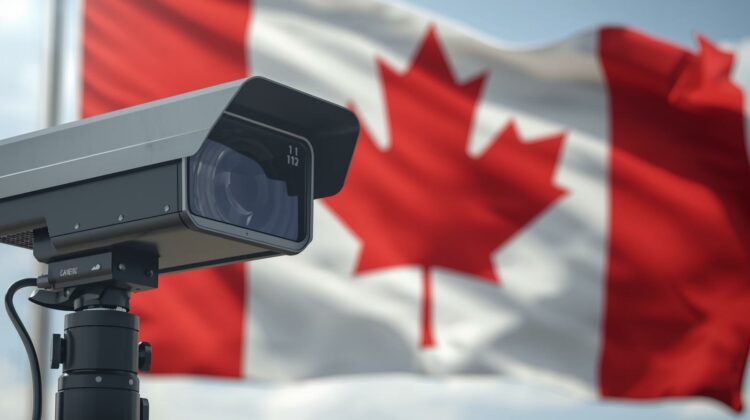
Canada is entering a new era of traffic enforcement. Beginning January 10, 2026, drivers across the country will face a tougher, technology-driven crackdown on speeding as governments introduce AI-powered speed camera systems with fines reaching up to $1,500 for serious violations. The move marks a major shift away from traditional speed enforcement and signals a nationwide push to reduce road deaths, repeat offenses, and dangerous driving habits.
These new rules are expected to impact millions of drivers, especially those in urban centers and high-risk corridors where speeding has remained a persistent problem despite existing laws. Here is everything you need to know about how the new AI camera fines work, who is affected, how penalties are calculated, and what this change means for everyday drivers.
Why Canada Is Replacing Traditional Speed Enforcement
For decades, speed enforcement in Canada has relied heavily on police patrols, handheld radar guns, and fixed speed cameras. While these methods have worked to an extent, authorities say they are no longer enough to deal with modern traffic volumes and increasingly dangerous driving behavior.
Speeding remains one of the leading causes of fatal collisions in Canada. Government data consistently shows that excessive speed contributes to thousands of serious injuries and deaths every year. Enforcement agencies argue that traditional methods are reactive, limited by manpower, and inconsistent across regions.
AI-based speed cameras promise constant, unbiased monitoring that does not depend on police presence. These systems operate around the clock and can analyze traffic patterns at a scale that human enforcement cannot match.
What Are AI Speed Cameras and How Do They Work
AI speed cameras are advanced traffic enforcement systems that combine high-resolution cameras, radar or lidar sensors, and artificial intelligence software. Unlike older speed cameras that simply measured speed at a single point, these new systems can track vehicles over distance and time.
Key capabilities include:
- Continuous speed monitoring rather than single snapshots
- Automatic vehicle identification using license plate recognition
- Differentiation between vehicles in multiple lanes
- Detection of repeat offenders
- Real-time data transmission to enforcement authorities
The AI software analyzes vehicle movement and speed patterns, reducing errors and eliminating the need for manual review in most cases. Authorities say this significantly improves accuracy and fairness.
When the New $1,500 Fines Take Effect
The new AI camera enforcement framework officially begins on January 10, 2026. From that date onward, violations captured by approved AI speed cameras will be subject to the updated penalty structure.
Drivers should note that there is no grace period once the system goes live. Tickets issued from that date will be legally enforceable, even if the driver was unaware of the new rules.
Governments are expected to run public awareness campaigns in late 2025 to inform motorists about the changes, camera locations, and penalty thresholds.
How the $1,500 Fine Is Applied
The $1,500 figure represents the maximum fine under the new system and is reserved for severe speeding offenses. The actual fine amount depends on how far over the speed limit a driver is recorded.
While exact thresholds may vary by province, the general structure is expected to follow this pattern:
- Moderate speeding results in lower monetary fines
- High-range speeding triggers substantial fines
- Extreme speeding or repeat offenses can reach $1,500
In addition to fines, drivers may also face demerit points, license suspensions, or mandatory driver education programs depending on the severity of the offense.
Who Will Be Affected by the New Rules
The AI camera fines apply to all drivers operating a vehicle on Canadian roads where the system is deployed. This includes:
- Private passenger vehicles
- Commercial trucks and delivery vans
- Rideshare and taxi drivers
- Out-of-province and out-of-country drivers
Tickets are issued to the registered vehicle owner. If someone else was driving the vehicle at the time, the responsibility for payment still rests with the owner unless provincial rules allow reassignment.
Where AI Speed Cameras Will Be Installed
AI speed cameras will not be placed randomly. Authorities are prioritizing locations with a history of speeding-related collisions or complaints.
Common installation areas include:
- School zones and playground areas
- Construction zones
- High-accident intersections
- Major urban corridors
- Residential streets with chronic speeding issues
While some camera locations will be clearly marked, others may not be as visible. Governments argue that visibility is not the goal; compliance and safety are.
How AI Cameras Differ From Older Speed Cameras
Older speed cameras typically measured speed at a single point and relied on simple radar technology. These systems were prone to errors and often challenged in court.
AI cameras improve on this by:
- Tracking speed over time rather than at one moment
- Using machine learning to filter out false readings
- Automatically verifying vehicle identity
- Maintaining detailed digital records for legal review
This makes tickets harder to dispute and enforcement more consistent.
Privacy and Data Protection Concerns
One of the biggest concerns surrounding AI speed cameras is privacy. Critics worry about constant surveillance and data misuse.
Governments have responded by stating that:
- Cameras only capture information related to traffic violations
- Data is stored securely and for limited periods
- Information is not shared outside enforcement purposes
- No facial recognition technology is used
Officials emphasize that the goal is traffic safety, not general surveillance.
How Tickets Will Be Issued and Paid
When a violation is detected, the system automatically generates a ticket that is mailed to the registered vehicle owner or delivered electronically if digital notices are enabled.
The ticket typically includes:
- Date and time of the offense
- Location of the camera
- Recorded speed and posted speed limit
- Fine amount and payment deadline
- Instructions for dispute if applicable
Failure to pay the fine can result in additional penalties, including registration holds or license renewal issues.
Can Drivers Dispute an AI Camera Ticket
Yes, drivers retain the right to dispute tickets issued by AI cameras. However, authorities note that successful disputes may be more difficult due to the precision and documentation provided by AI systems.
Valid dispute reasons may include:
- Incorrect vehicle identification
- Proof the vehicle was stolen
- Technical malfunction supported by evidence
General claims of unfairness or lack of awareness of camera locations are unlikely to succeed.
Impact on Insurance Rates
Speeding tickets issued under the AI system are expected to affect insurance premiums in the same way as traditional tickets. Severe or repeated offenses may result in higher premiums or loss of safe-driver discounts.
Insurance providers have welcomed the move, arguing that better enforcement leads to safer roads and fewer costly claims.
Revenue vs Road Safety Debate
Supporters argue that the primary goal of AI speed cameras is saving lives, not generating revenue. They point to international examples where automated enforcement led to significant drops in fatal accidents.
Critics counter that high fines, especially the $1,500 maximum, disproportionately impact low- and middle-income drivers. Some advocacy groups are calling for income-based fine models or expanded warning systems.
Governments maintain that compliance is the best way to avoid penalties altogether.
How Drivers Can Prepare Before January 2026
Drivers can take several steps now to avoid fines once the system launches:
- Familiarize yourself with posted speed limits
- Slow down in school and construction zones
- Use cruise control responsibly
- Stay alert to changing speed limits
- Avoid aggressive driving habits
Updating navigation apps and vehicle software may also help, as many systems now provide real-time speed limit alerts.
What This Change Means for the Future of Driving in Canada
The introduction of AI speed camera fines represents a fundamental change in how traffic laws are enforced in Canada. It signals a shift toward technology-driven compliance rather than officer-based enforcement.
Over time, authorities expect this approach to reduce serious accidents, improve consistency, and encourage safer driving habits. For drivers, it means greater accountability and fewer excuses for ignoring speed limits.
Starting January 10, 2026, speeding in Canada will carry much higher risks. With AI speed cameras capable of issuing fines up to $1,500, drivers will need to adjust their habits or face serious consequences.
Whether viewed as a necessary safety upgrade or an aggressive enforcement measure, one thing is clear: outdated speed laws are being replaced by a system designed for modern roads and modern traffic challenges. For Canadian drivers, the message is simple. Slow down, stay alert, and drive within the limits, because the cameras will be watching.