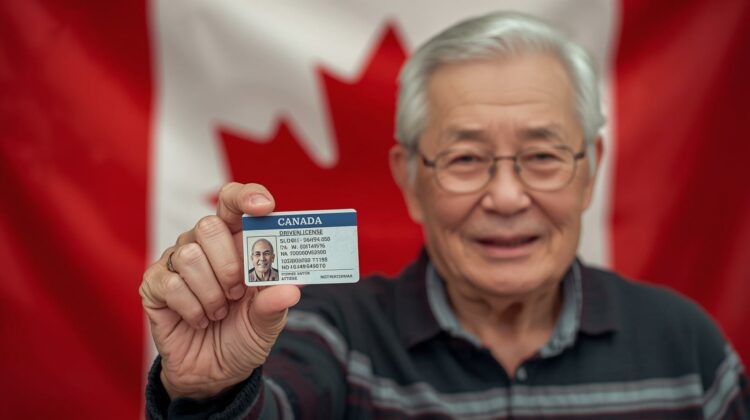
From 5 January 2026, senior drivers across Canada will face a major shift in how driver’s licences are renewed. Automatic renewals without testing are being phased out, replaced by new screening measures aimed at road safety, medical fitness and cognitive awareness. For many older drivers, this marks the end of a system that allowed licence renewals with little more than paperwork and fees.
The changes have sparked debate. Supporters say the rules are long overdue and will reduce serious collisions. Critics argue they unfairly target seniors who have decades of safe driving experience. What is clear is that the renewal process seniors have known for years is about to change significantly.
This article explains what is changing, who is affected, what new checks seniors can expect, why governments are introducing these rules, and how older drivers can prepare well before their next renewal date.
Why Licence Renewals for Seniors Are Changing
Canada’s population is aging rapidly. A growing number of drivers are now over 70, and many continue driving well into their 80s. While experience can make drivers safer, age-related changes in vision, reaction time, mobility and cognition can increase risk if not monitored properly.
Transportation authorities have been under pressure from safety groups, insurers and medical professionals to modernize senior driver assessments. Accident data shows that while seniors are not the most frequent offenders, they are more vulnerable to serious injury and fatal outcomes when collisions occur.
Until now, many provinces allowed senior drivers to renew licences with minimal checks, often limited to vision screening or self-declared medical forms. From January 2026, that approach is changing.
What Happens From 5 January 2026
Starting 5 January 2026, senior drivers reaching the age threshold set by their province will no longer be able to renew their licence without additional evaluation. The exact process varies slightly by province, but the core changes are consistent nationwide.
The new system introduces mandatory checks that may include:
- Knowledge or refresher tests
- Enhanced vision testing
- Medical fitness assessments
- Cognitive screening in certain age groups
- In-person renewals instead of online-only renewals
These checks are not designed to automatically revoke licences. Instead, they aim to identify risks early and ensure drivers remain capable of operating a vehicle safely.
Who Is Affected by the New Rules
The new requirements apply specifically to senior drivers. While the exact age varies by province, most jurisdictions are targeting drivers aged 70 or 75 and older.
Some provinces already had partial testing in place, but the January 2026 changes expand and standardize the process. Drivers who are younger than the threshold age will not be affected by these changes.
Importantly, seniors who renewed their licences before January 2026 under the old system will not be retroactively affected. The new rules apply at the next renewal cycle after the effective date.
End of Automatic Licence Renewals
One of the biggest changes is the end of automatic renewals without testing. Previously, many seniors could renew simply by paying a fee, confirming personal information and passing a basic vision test.
From 2026 onward, seniors should expect at least one form of evaluation beyond basic paperwork. In many cases, this means attending a licensing office in person rather than renewing online or by mail.
This shift is meant to ensure that assessments are consistent and thorough, rather than relying on self-reporting alone.
Knowledge and Refresher Tests Explained
One of the most talked-about changes is the introduction of knowledge or refresher tests. These are not full road tests in most cases. Instead, they focus on:
- Updated traffic laws
- Road signs and signals
- Safe driving practices
- New rules introduced since the driver was first licensed
Many seniors obtained their licences decades ago, long before modern traffic systems, roundabouts and advanced vehicle technology became common. Refresher tests are intended to close that gap.
The tests are usually shorter than the standard written exam taken by new drivers and may be available in simplified formats or with accommodations.
Vision Testing Becomes More Rigorous
Vision testing has always been part of licence renewals, but from 2026 it becomes more detailed for seniors. In addition to standard eyesight checks, some provinces may include:
- Peripheral vision screening
- Contrast sensitivity testing
- Depth perception evaluation
Vision issues are one of the most common factors affecting senior driving safety. The goal is not to disqualify drivers with correctable issues, but to ensure they are using appropriate eyewear and meeting minimum safety standards.
Medical Fitness Assessments
Medical fitness to drive is a central part of the new framework. Seniors may be required to submit medical forms completed by a doctor or nurse practitioner.
Conditions that may be reviewed include:
- Heart conditions
- Neurological disorders
- Diabetes management
- Sleep disorders
- Mobility or coordination limitations
In most cases, having a medical condition does not automatically mean losing a licence. Instead, licensing authorities look at how well the condition is managed and whether it affects driving ability.
Some drivers may receive restrictions, such as daylight-only driving or local-area driving, rather than a full suspension.
Cognitive Screening and When It Applies
Cognitive screening is one of the most sensitive aspects of the new system. These screenings are not applied to all seniors automatically. They are typically used when there are indicators of concern, such as:
- Medical reports suggesting cognitive decline
- Previous at-fault collisions
- Reports from healthcare providers
- Inconsistent test results
The screenings are designed to identify serious impairments that could affect judgment, reaction time and decision-making. Passing or failing is not based on age alone, but on functional ability.
Road Tests Are Still Not Automatic
Despite concerns, most seniors will not be required to take a full road test at every renewal. Road tests are usually reserved for situations where other assessments raise concerns.
If a road test is required, it is often shorter and focused on essential skills such as lane control, intersections and hazard awareness. In some cases, it may be conducted in familiar local areas to reduce stress.
Why Governments Are Introducing These Changes Now
Several factors have pushed governments to act:
- An aging driver population
- Increased traffic complexity
- Advances in medical understanding of aging
- Public pressure following high-profile collisions
Officials argue that the changes balance independence with public safety. Driving remains crucial for seniors, especially in areas with limited public transportation, but safety standards must evolve.
The goal is early intervention rather than sudden licence loss after an incident.
Impact on Seniors’ Independence
For many seniors, driving is tied closely to independence, social connection and mental well-being. Losing a licence can have serious consequences, including isolation and reduced access to healthcare.
Governments say the new system is designed to keep safe drivers on the road longer by identifying manageable issues early. Corrective measures such as vision correction, medical treatment or refresher training may allow seniors to continue driving safely.
Costs and Renewal Fees
In some provinces, additional testing may come with modest fees. Knowledge tests and medical forms may involve costs, especially if a doctor’s visit is required.
However, governments have stated that fees will be kept as low as possible to avoid financial hardship. Some provinces are also exploring fee waivers or subsidies for low-income seniors.
How Seniors Can Prepare Before 2026
Preparation can make the renewal process smoother and less stressful.
Seniors should consider:
- Booking regular eye exams
- Keeping medical conditions well-managed
- Reviewing updated road rules and signs
- Practicing driving in varied conditions
- Talking to their doctor about driving fitness
Staying proactive reduces the risk of surprises during renewal.
What Happens If a Licence Is Not Renewed
If a senior does not meet renewal requirements, there are usually options before a full cancellation.
These may include:
- Temporary suspensions with reassessment
- Restricted licences
- Additional training or evaluations
- Medical treatment follow-ups
Appeal processes are also available, allowing drivers to challenge decisions or provide additional evidence.
Provincial Differences Still Matter
While January 2026 marks a national shift, provinces retain control over exact rules. Seniors should check their provincial motor vehicle authority for specific age thresholds, test formats and timelines.
Urban and rural considerations may also affect how assessments are applied.
What This Means Going Forward
The end of licence renewals without tests marks a turning point in how Canada balances aging, mobility and safety. For seniors, it means more involvement in the renewal process, but also clearer standards and earlier support.
Driving into later life is still possible, but it now comes with shared responsibility between the driver, healthcare providers and licensing authorities.
Starting 5 January 2026, senior drivers can no longer expect automatic licence renewals without checks. New testing and assessments are becoming the norm, not as a punishment, but as a safeguard.
For many seniors, the changes will simply mean a few extra steps. For others, they may lead to adjustments in how and when they drive. Either way, preparation and awareness are key.
Staying informed now can help ensure a smoother transition when renewal time arrives.