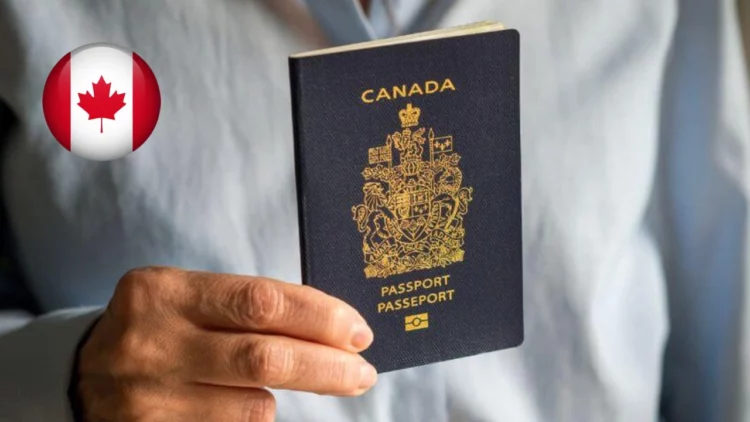
Canada’s passport continues to be one of the most powerful travel documents in the world. In 2026, Canada ranks near the top of global passport indexes, giving Canadian citizens access to a long list of countries without the need for a visa or with visa-on-arrival privileges. This article provides a detailed look at the Canadian passport’s global ranking, explains what visa-free travel means, breaks down the full list of visa-free destinations, and offers practical guidance for Canadians planning international travel in 2026.
How Passport Rankings Work
Passport rankings are determined by the number of countries and territories that allow a holder of a specific passport to enter without a visa, or with visa on arrival, electronic travel authorization (eTA) or similar simplified entry requirements. Several independent organizations publish passport indexes, including Henley & Partners, Arton Capital, and others.
These indexes are updated annually to reflect changes in global visa agreements, diplomatic relations, and geopolitical shifts. The higher the number of accessible destinations, the stronger the passport is considered.
For Canada, the passport ranking has historically been very high due to Canada’s strong diplomatic ties, stable international relations, and reciprocal visa agreements with many countries. In 2026, Canada remains among the world’s best passports for travel freedom.
Canada’s Passport Ranking in 2026
In 2026, the Canadian passport is ranked among the most powerful in the world. It provides either visa-free entry, visa on arrival, or electronic travel authorization options for a large majority of the world’s countries. While exact numeric rankings differ slightly from one index to another, Canada consistently appears in the top five globally.
This means Canadian citizens can travel without traditional visas to more destinations than most other nationalities. For many travelers, this level of access saves time, money and administrative hassle.
Passport rankings are constantly reviewed, and even small diplomatic developments can change a country’s score. Still, Canada’s diplomatic network and travel agreements help secure a high position in global passport indexes.
What Visa-Free and Visa on Arrival Really Mean
Before diving into the list of countries, it’s useful to clarify the common entry terms you’ll see for international travel:
Visa-Free Entry:
Citizens of Canada can enter the destination without obtaining a visa at all. No application is required before departure, and travelers can stay for a set period based on the host country’s rules.
Visa on Arrival:
Travelers do not need to secure a visa in advance, but must obtain one at the border upon arrival. This usually involves minimal paperwork and sometimes a small fee.
Electronic Travel Authorization (eTA):
Some countries require an online pre-travel authorization. These are not traditional visas but still require approval before flying. For example, Canada has its own eTA process for travelers arriving by air.
Understanding these terms helps Canadian travelers plan properly and avoid surprises at border control.
Full List of Visa-Free and Visa on Arrival Countries for Canadian Passport Holders in 2026
Below is the most current list of countries and territories that allow Canadian passport holders to enter either visa-free, with visa on arrival, or with an easy electronic travel authorization. The list is grouped by region for easier reference.
Europe
Canada has excellent access throughout Europe thanks to long-standing agreements and Canada’s participation in key travel frameworks.
- Albania (visa on arrival or eTA)
- Andorra (visa free)
- Austria (visa free; Schengen area)
- Belgium (visa free; Schengen area)
- Bosnia and Herzegovina (visa free)
- Bulgaria (visa free)
- Croatia (visa free; Schengen associated)
- Czech Republic (visa free; Schengen area)
- Denmark (visa free; Schengen area)
- Estonia (visa free; Schengen area)
- Finland (visa free; Schengen area)
- France (visa free; Schengen area)
- Germany (visa free; Schengen area)
- Greece (visa free; Schengen area)
- Hungary (visa free; Schengen area)
- Iceland (visa free; Schengen area)
- Ireland (visa free)
- Italy (visa free; Schengen area)
- Latvia (visa free; Schengen area)
- Liechtenstein (visa free; Schengen area)
- Lithuania (visa free; Schengen area)
- Luxembourg (visa free; Schengen area)
- Malta (visa free; Schengen area)
- Monaco (visa free)
- Netherlands (visa free; Schengen area)
- North Macedonia (visa free)
- Norway (visa free; Schengen area)
- Poland (visa free; Schengen area)
- Portugal (visa free; Schengen area)
- Romania (visa free)
- San Marino (visa free)
- Serbia (visa free)
- Slovakia (visa free; Schengen area)
- Slovenia (visa free; Schengen area)
- Spain (visa free; Schengen area)
- Sweden (visa free; Schengen area)
- Switzerland (visa free; Schengen area)
- United Kingdom (visa free for short stays)
European travel remains incredibly accessible for Canadian passport holders, and in many Schengen countries, the visa-free period can extend up to 90 days.
Asia Pacific
Visa requirements vary widely across Asia, but Canadians enjoy strong access to many destinations.
- Bangladesh (visa on arrival)
- Brunei (visa free)
- Cambodia (visa on arrival)
- Hong Kong (visa free)
- Indonesia (visa free up to 30 days)
- Israel (visa free)
- Japan (visa free)
- Kazakhstan (visa free)
- Kyrgyzstan (visa free)
- Laos (visa on arrival)
- Malaysia (visa free)
- Maldives (visa on arrival)
- Mongolia (visa free)
- Nepal (visa on arrival)
- Philippines (visa free)
- Singapore (visa free)
- South Korea (visa free)
- Sri Lanka (electronic travel authorization)
- Taiwan (visa free)
- Thailand (visa free for short stays)
- United Arab Emirates (visa free)
Travelers should always check length-of-stay limits and any related entry requirements such as proof of onward travel or financial means.
Africa and Middle East
Canadian passport holders can access several countries with minimal pre-travel requirements.
- Botswana (visa free)
- Egypt (visa on arrival or eVisa)
- Kenya (eVisa)
- Mauritius (visa free)
- Morocco (visa free)
- Namibia (visa free)
- Seychelles (visitor’s permit on arrival)
- South Africa (visa free)
- Tunisia (visa free)
- Turkey (eVisa)
Conditions and allowed stay durations vary, so travelers should confirm specifics before departure.
The Americas
Access through the Western Hemisphere remains among the strongest for Canadian travelers.
- Argentina (visa free)
- Bahamas (visa free)
- Barbados (visa free)
- Belize (visa free)
- Bolivia (visa on arrival)
- Brazil (visa free)
- Chile (visa free)
- Colombia (visa free)
- Costa Rica (visa free)
- Dominican Republic (visa free)
- Ecuador (visa free)
- El Salvador (visa free)
- Guatemala (visa free)
- Guyana (visa free)
- Honduras (visa free)
- Jamaica (visa free)
- Mexico (visa free)
- Panama (visa free)
- Paraguay (visa free)
- Peru (visa free)
- Uruguay (visa free)
Travel across the Americas is particularly straightforward for Canadians, especially for tourism and short stays.
Oceania
Pacific nations are popular destinations for Canadian travelers and remain largely accessible.
- Australia (Electronic Travel Authority required)
- Fiji (visa free)
- New Zealand (Electronic Travel Authority required)
- Samoa (visa on arrival)
- Vanuatu (visa free)
The region’s strong appeal for leisure travel makes its accessibility an ongoing benefit for Canadian passport holders.
How Long You Can Stay in Visa-Free Countries
Visa-free entry does not always mean unrestricted travel. Most countries allow Canadians to stay for a limited period without a visa, often between 30 and 180 days. Length of stay is determined by the host country’s rules, and it is essential to verify those limits before travel.
Overstaying permitted time can result in fines, denied entry to other countries or future travel restrictions.
Special Entry Requirements to Watch
Even with visa-free travel, many countries require additional documentation:
- Return or onward ticket
- Proof of financial means
- Travel insurance
- Electronic authorizations (eTA, eVisa)
Some countries impose health requirements such as vaccination records. Canadian travelers should always check the official entry requirements from the embassy or consulate of their destination.
How to Maximize Your Travel with a Strong Passport
Canadian citizens can make the most of their travel privileges by following a few best practices:
Plan Ahead
Visa-free does not mean document-free. Make sure your passport is valid for at least six months beyond your intended stay.
Check Local Rules
Requirements change, and some countries revise their policies with little advance notice.
Know Your Limits
Understand how long you can stay visa-free in each destination and whether extensions are possible.
Stay Informed on Entry Requirements
Electronic travel authorizations are now common, even for visa-free stays.
What This Ranking Means for Canadian Travelers in 2026
Canada’s high passport ranking reaffirms the country’s global position and diplomatic relationships. For Canadian travelers, the ease of movement encourages tourism, business trips and cultural exchange. Whether for a short vacation or extended stay, Canadian passport holders enjoy some of the best travel freedom in the world.
As global travel rebounds and evolves, the strength of Canada’s passport remains a valuable asset for people who want to explore the world without being weighed down by visa hurdles.
The Canada passport in 2026 remains one of the top-ranked travel documents globally, offering widespread access to more than 180 countries and territories with visa-free or visa-on-arrival options. This level of travel freedom delivers real convenience for Canadians planning international trips.
Before booking your next adventure, check the specific entry requirements for your destination, confirm your passport validity and understand the rules that apply. With proper planning, Canadian travelers can take full advantage of their passport’s privileges and enjoy seamless travel experiences around the globe.