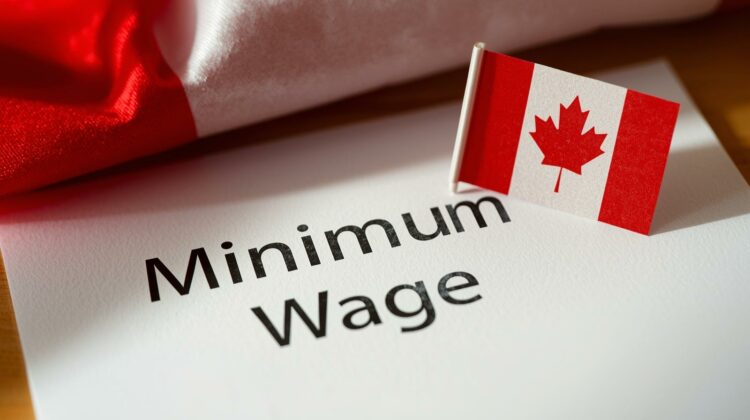
Canada’s minimum wage system is heading for another major shift in 2026. With inflation pressures, labour shortages, and affordability concerns still shaping economic policy, governments at both the federal and provincial levels are preparing for new minimum wage increases. For millions of workers, this means higher pay. For businesses, it means planning ahead for rising labour costs.
While exact figures differ by province and territory, one thing is clear: minimum wage in Canada is not staying still in 2026. This article breaks down how minimum wage works in Canada, what increases are expected or already signaled for 2026, who benefits the most, how it affects take-home pay, and what workers should watch for as payment changes roll out.
How Minimum Wage Works in Canada
Canada does not have one single national minimum wage that applies to everyone. Instead, minimum wage is set in two main ways.
Provincial and Territorial Minimum Wages
Each province and territory sets its own minimum wage for most workers. These rates apply to jobs such as retail, food service, hospitality, care work, and many other sectors. Provincial minimum wages vary because living costs, labour markets, and economic conditions differ across the country.
Federal Minimum Wage
The federal minimum wage applies to workers in federally regulated industries. These include banking, telecommunications, air and rail transport, and some Crown corporations. The federal rate is adjusted annually based on inflation and applies regardless of which province the worker is located in.
In 2026, both systems are expected to see increases, either through automatic inflation indexing or new policy decisions.
Why Minimum Wage Is Increasing Again in 2026
The push for higher minimum wages has not slowed, and several factors are driving the 2026 changes.
Cost of Living Pressures
Housing, food, utilities, and transportation costs remain high across Canada. Even where inflation has eased compared to previous years, everyday expenses are still significantly more expensive than they were just a few years ago. Governments see minimum wage increases as one tool to help low-income workers keep up.
Inflation Indexing Policies
Many provinces and the federal government now tie minimum wage increases directly to inflation. This means wages rise automatically each year, usually on a fixed date, without requiring new legislation. Because inflation remains a factor, indexed increases are expected in 2026.
Labour Market Shortages
Certain industries continue to face worker shortages, especially in healthcare support roles, hospitality, retail, and logistics. Raising minimum wage is viewed as a way to attract and retain workers in these sectors.
Political Commitments
Several provincial governments have publicly committed to ongoing wage adjustments as part of broader affordability and worker protection strategies. These commitments extend into 2026 and beyond.
Federal Minimum Wage Increase in 2026
The federal minimum wage is adjusted every year based on the Consumer Price Index. This adjustment usually takes effect on April 1.
What to Expect
In 2026, federally regulated workers can expect another increase tied to inflation trends from the previous year. While the exact amount will depend on finalized inflation data, the structure of the increase is already in place.
Who Is Covered
The federal minimum wage applies to workers in industries such as:
- Banks and financial institutions
- Airlines and airports
- Railways and interprovincial transportation
- Postal and courier services
- Telecommunications and broadcasting
For these workers, the federal rate applies even if the provincial minimum wage is lower. If a province’s minimum wage is higher, the higher rate must be paid.
Provincial and Territorial Minimum Wage Changes in 2026
Each province and territory handles minimum wage increases differently. Some follow fixed annual schedules, while others announce changes closer to implementation.
Provinces With Inflation-Linked Increases
Several provinces automatically adjust their minimum wage each year based on inflation. In these regions, workers can expect a 2026 increase without the government needing to pass new legislation. The exact rate will depend on inflation data, but increases are generally modest and predictable.
Provinces Using Policy-Based Increases
Other provinces review minimum wage through policy decisions rather than strict formulas. In these cases, 2026 increases may be announced through budgets or labour policy updates. These increases can sometimes be larger if governments aim to catch up with living costs.
Territories
The territories also review minimum wage regularly, often taking into account the higher cost of living in northern regions. Changes in 2026 are expected to reflect those realities.
Because of these differences, workers should always check the rate specific to their province or territory.
Who Benefits Most From the 2026 Minimum Wage Increase
The impact of minimum wage increases is not the same for everyone.
Low-Income Workers
Workers earning at or near minimum wage benefit directly. Even a small hourly increase can add up to hundreds or thousands of dollars per year for full-time employees.
Part-Time and Casual Workers
Students, seniors working part-time, and gig-adjacent workers in traditional employment arrangements often earn minimum wage. The 2026 increase can help offset rising costs for these groups.
Women and Newcomers
Statistics consistently show that women and newcomers are overrepresented in minimum wage jobs. Increases therefore play a role in narrowing income gaps.
Rural and Small-Town Workers
In areas with fewer job options, minimum wage work is more common. Increases provide additional financial stability in these communities.
How the Increase Affects Take-Home Pay
While a higher minimum wage raises gross pay, take-home pay depends on several factors.
Taxes and Deductions
Minimum wage increases may push some workers slightly higher in taxable income brackets, but for most low-income workers, the impact on taxes is limited. Payroll deductions such as CPP and EI will increase slightly because they are calculated as a percentage of earnings.
Interaction With Government Benefits
Some workers receive income-tested benefits such as the Canada Child Benefit, GST credits, or provincial assistance programs. A higher income can affect benefit amounts, though in many cases the net gain remains positive.
Annual Impact
For a full-time worker, even a small hourly increase can translate into a meaningful annual raise. For example, an increase of one dollar per hour adds more than two thousand dollars per year before deductions for a full-time schedule.
What Employers Need to Prepare for in 2026
Minimum wage increases also have implications for businesses.
Payroll Adjustments
Employers must update payroll systems to reflect new rates as soon as they take effect. Failure to do so can result in penalties or complaints.
Compression Issues
When minimum wage rises, employees who already earn slightly above minimum wage may expect raises to maintain pay differences. Employers often need to review wage structures to address this.
Pricing and Staffing Decisions
Some businesses adjust prices, hours, or staffing levels to absorb higher labour costs. Planning ahead for 2026 helps reduce sudden disruptions.
Compliance and Record Keeping
Employers are required to post updated minimum wage notices in the workplace and keep accurate wage records.
When the 2026 Increases Are Expected to Take Effect
Minimum wage increases typically take effect on specific dates set by each government.
- Federal minimum wage adjustments usually apply on April 1
- Many provinces implement changes on January 1 or October 1
- Some regions announce dates closer to the end of the previous year
Workers should pay attention to official announcements to know exactly when higher pay will appear on their paycheques.
What Workers Should Do Now
With 2026 approaching, workers can take steps to stay informed and prepared.
Check Your Current Pay Rate
Confirm whether you are currently earning minimum wage or slightly above it. This helps you understand how the increase may affect you.
Watch for Official Announcements
Governments typically release confirmed rates several months in advance. Keep an eye on provincial labour ministry updates.
Review Your Budget
If you expect higher pay, consider how it fits into your overall financial plan. Extra income can help cover essentials, reduce debt, or build savings.
Speak Up if Your Pay Does Not Change
If you are earning minimum wage and do not see an increase when new rates take effect, you have the right to ask your employer or contact labour authorities.
How Minimum Wage Fits Into the Bigger Economic Picture
Minimum wage increases are only one part of a broader affordability strategy. Governments also use tax credits, benefit payments, and targeted relief programs to support low- and middle-income households.
In 2026, minimum wage changes are expected to work alongside:
- Inflation-indexed federal benefits
- Provincial affordability measures
- Housing and rent support programs
- Adjustments to tax credits
Together, these policies aim to soften the impact of rising costs, though debates continue about whether minimum wage keeps pace with real living expenses.
Canada’s minimum wage is set to rise again in 2026, continuing a pattern of annual increases driven by inflation, labour market needs, and cost-of-living concerns. While exact rates vary by province and will be finalized closer to implementation, workers across the country can expect higher hourly pay.
For employees, this means improved earnings and a bit more breathing room in monthly budgets. For employers, it means planning ahead and adapting to higher wage floors. As official announcements roll out, staying informed will be key to making the most of the changes ahead.