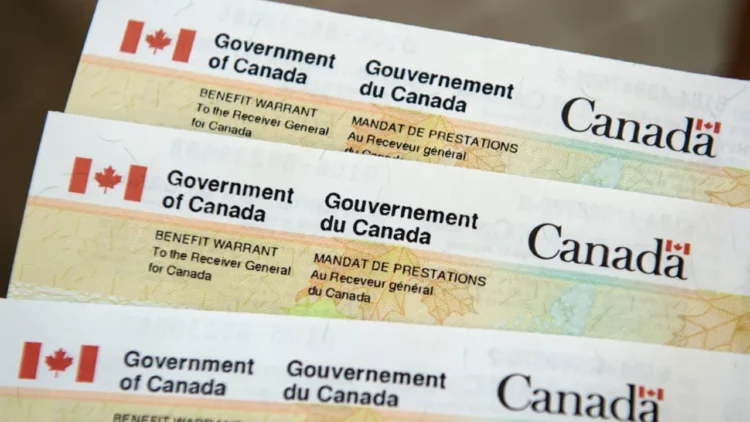
Canadians are unknowingly leaving more than $2 billion in government money unclaimed, according to documents recently tabled in Parliament. Over the past several years, millions of paper cheques issued by the federal government for tax refunds, pensions, and benefits were never deposited or cashed.
Despite ongoing efforts to move Canadians toward direct deposit, the data shows a surprisingly large amount of money is still sitting idle, waiting to be claimed. And the most important detail many people do not realize is this: government cheques never expire. That means the money is still owed, and it can still be recovered.
This article explains how the uncashed cheques accumulated, which benefit programs are most affected, why so many Canadians miss out on money they are entitled to, and what steps individuals can take right now to check whether a payment is waiting for them.
The Scale of Uncashed Government Cheques in Canada
The numbers are significant. Over the past four fiscal years, approximately 3.9 million paper cheques issued by the federal government were never cashed. Together, those cheques are worth $2,159,665,155.
These payments were not limited to one program or one group of Canadians. They included:
- Income tax refunds
- Federal pension payments
- Climate and carbon rebate cheques
- Child and family benefits
- Other CRA-administered programs
The data covers cheques issued between April 1, 2022 and September 30, 2025, showing that the issue is ongoing, not historical.
Which Government Benefits Are Going Unclaimed
Canada Carbon Rebate Cheques
One of the largest unclaimed categories involves climate-related payments. Canadians failed to deposit approximately $141 million in Canada Carbon Rebate cheques.
These rebates were designed to offset the cost of federal carbon pricing and were mailed directly to eligible households. Even though the rebate programs have now ended, the cheques issued under them are still valid and can still be claimed.
Climate Action Tax Credits in British Columbia
Residents of British Columbia left an additional $50 million uncollected through Climate Action tax credit cheques. These payments were part of provincial-federal efforts to return carbon pricing revenue to households.
Even though these programs are no longer active, the money already issued remains available to recipients.
Canada Child Benefit Payments
Unclaimed money is not limited to adult-focused programs. Roughly $42.8 million in cheques issued through the Canada Child Benefit were never cashed.
The Canada Child Benefit is a tax-free monthly payment meant to help families with the cost of raising children. Missing these payments can have a real impact on household budgets, particularly for low- and middle-income families.
Tax Refunds and Pension Cheques
A substantial portion of the $2 billion total also comes from:
- Personal income tax refunds
- Old Age Security and other pension payments
- Various CRA-administered benefits
These are funds Canadians were fully entitled to receive but never deposited.
Why So Many Cheques Go Uncashed
There is no single reason why millions of cheques remain unclaimed. Instead, the issue is driven by a combination of practical, administrative, and personal factors.
Address Changes and Lost Mail
One of the most common reasons is outdated mailing information. When Canadians move and do not update their address with the CRA, paper cheques may be sent to the wrong location or returned undelivered.
In some cases, cheques are delivered but misplaced, discarded by mistake, or overlooked among other mail.
Confusion About Eligibility
Some Canadians do not recognize the cheque they receive or assume it was sent in error. This can lead to cheques being ignored or set aside and eventually forgotten.
Others may believe they are no longer eligible for a program and mistakenly think the cheque does not apply to them.
Shift Toward Direct Deposit
The federal government strongly encourages direct deposit, and many Canadians now expect payments to arrive electronically. When a paper cheque arrives unexpectedly, people may not realize it represents a legitimate benefit or refund.
This disconnect has grown as fewer Canadians regularly handle paper cheques in their day-to-day banking.
Seniors and Vulnerable Canadians
Seniors, individuals with disabilities, and people facing language or accessibility barriers may have greater difficulty managing mail, banking tasks, or government correspondence.
In some cases, cheques are received but never deposited due to health issues or lack of assistance.
Government Preference for Direct Deposit
The federal government has made it clear that direct deposit is its preferred payment method. Today, only 8.51 percent of federal payments are made by cheque. The rest are sent electronically.
Direct deposit reduces delays, prevents lost payments, and ensures funds reach recipients more reliably. It also significantly reduces administrative costs.
However, many departments still issue large volumes of cheques, either because recipients have not enrolled in direct deposit or because updated banking information is not on file.
The Cost of Issuing Paper Cheques
Uncashed cheques do not just affect Canadians. They also represent a cost to taxpayers.
The administrative cost for the federal government to issue a single cheque is approximately $1.83. Between April 1, 2022 and September 30, 2025, the government mailed out about 121 million cheques.
That means the cost of issuing those cheques is estimated at $222 million. This does not include the added costs of tracking, reissuing, or replacing cheques that are lost or uncashed.
Government Cheques Never Expire
One of the most important facts many Canadians do not know is that federal government cheques never expire.
Even if a cheque was issued years ago, it can still be:
- Deposited at a financial institution
- Replaced if lost or damaged
- Reissued if never received
This applies to tax refunds, benefit payments, and pension cheques alike.
That means the more than $2 billion in uncashed cheques is not lost. It is still owed to Canadians.
How Canadians Can Check for Uncashed Cheques
There are simple ways to find out whether you are owed money.
Check Your CRA Account
Canadians can log in to their Canada Revenue Agency online account to see a record of issued payments. The system shows whether a cheque was issued and whether it has been cashed.
This is often the fastest way to identify unclaimed funds.
Contact the CRA by Phone
Those who do not use online services can contact the CRA by phone. Agents can confirm whether any uncashed cheques are on file and explain the steps needed to have them reissued.
Update Your Information
If your address or banking details have changed, updating them with the CRA helps prevent future missed payments and ensures replacements are sent to the right place.
Why This Matters Now
At a time when many Canadians are facing rising living costs, unclaimed government money can make a real difference. These are not bonuses or special programs. They are funds people were already entitled to receive.
For some households, a forgotten cheque could mean:
- Extra money for groceries
- Help covering rent or utilities
- Support for childcare or education expenses
- Relief for seniors living on fixed incomes
With inflation still affecting everyday costs, reclaiming this money matters more than ever.
Direct Deposit as the Long-Term Solution
The federal government continues to encourage Canadians to enroll in direct deposit. Doing so:
- Eliminates lost or delayed cheques
- Reduces administrative costs
- Ensures faster access to funds
- Prevents future unclaimed payments
Canadians who rely on government benefits are especially encouraged to make the switch.
What Happens If a Cheque Is Found
If a cheque is identified as uncashed, the process is straightforward. The CRA can:
- Confirm the amount
- Cancel the original cheque
- Issue a replacement or arrange direct deposit
There is no penalty for claiming old cheques, and no deadline to do so.
A Growing Awareness Issue
The fact that more than $2 billion remains unclaimed highlights a broader issue: many Canadians are unaware of how their government payments are delivered and tracked.
Improved communication, better access to digital tools, and increased awareness could help reduce the number of uncashed cheques in the future.
More than $2 billion in government benefit cheques is still waiting to be claimed by Canadians. These funds represent tax refunds, child benefits, climate rebates, and pension payments that never reached the people they were meant to support.
The money has not disappeared. It has not expired. And it can still be claimed.
For Canadians struggling with rising costs, this could be an unexpected but meaningful source of relief. Taking a few minutes to check your CRA records could uncover money you did not even realize was missing.
In a time when every dollar counts, this is one payment that may already be yours and the payment is coming once you claim it.