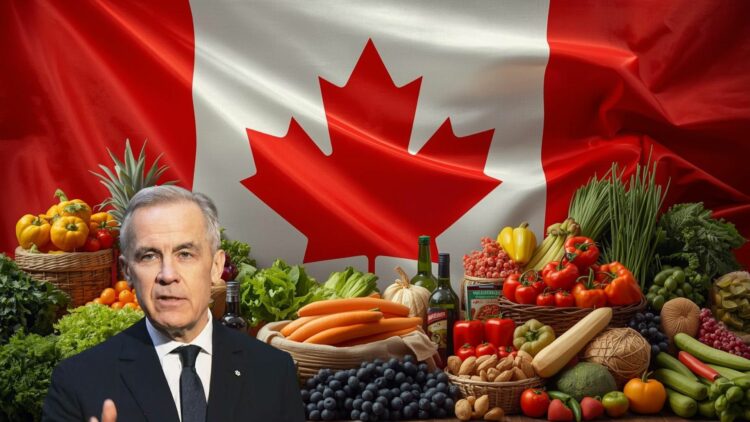
Canada’s affordability debate has entered a new phase. Mark Carney’s government has officially passed the Groceries and Essentials Benefit, a new federal measure designed to put direct cash support into the hands of Canadians facing rising food and household costs.
After months of economic pressure driven by inflation, higher housing expenses and increased everyday prices, the new benefit aims to ease the burden for low- and middle-income households. The message attached to the program is clear: targeted relief is coming, and payments are coming to eligible Canadians through the existing federal system.
This article explains what the Groceries and Essentials Benefit includes, who qualifies, how much Canadians may receive, how payments will be delivered, and what this means for families, seniors and workers across the country.
Why the Groceries and Essentials Benefit Was Introduced
Over the past several years, grocery prices have become a central concern for households nationwide. Food inflation has consistently outpaced overall inflation in certain periods, putting particular strain on families with children, seniors on fixed incomes and workers earning modest wages.
At the same time, household essentials such as cleaning supplies, hygiene products and utilities have climbed in cost. Even modest price increases can create significant pressure when combined with rent or mortgage payments.
The federal government framed the new benefit as a focused affordability response. Instead of broad tax reductions or universal cheques, the Groceries and Essentials Benefit is structured as targeted financial assistance directed at those most affected by cost increases.
What Is the Groceries and Essentials Benefit?
The Groceries and Essentials Benefit is a federal direct payment program designed to provide financial support to eligible Canadians to offset rising costs of:
- Groceries
- Basic household items
- Essential goods
- Select living expenses tied to inflation
Rather than creating a completely new administrative system, the benefit is expected to be delivered through existing federal tax and benefit infrastructure. That means eligibility will be determined using income data already reported through annual tax filings.
This structure allows payments to move quickly without requiring a complex application process for most recipients.
Payment Is Coming: How Funds Will Be Distributed
The government has indicated that payments are coming automatically for those who qualify. This means:
- No separate application is required for most eligible individuals.
- Eligibility will be assessed using the most recent tax return on file.
- Direct deposit will be used for those enrolled.
- Cheques will be mailed to those without direct deposit.
Using the existing payment system reduces administrative delays and speeds up distribution.
For Canadians already receiving federal benefits such as the Canada Child Benefit or the GST/HST credit, the delivery mechanism will feel familiar. Deposits will appear directly in bank accounts with clear identification.
Who Is Eligible for the New Benefit?
Eligibility focuses primarily on low- and middle-income households. While exact thresholds may vary depending on household composition, the structure generally includes:
Individuals
Single adults with income below a specified threshold based on the latest tax year.
Families with Children
Households with dependent children may qualify for higher amounts, reflecting greater grocery and household needs.
Seniors
Seniors receiving Old Age Security or the Guaranteed Income Supplement may qualify if their income falls within eligible ranges.
Working Canadians
Part-time and full-time workers earning modest incomes may also be included, provided their annual income meets the criteria.
Income verification will rely on the most recent tax filing year. Canadians who have not filed their taxes may not be assessed for eligibility.
How Much Will Canadians Receive?
The benefit amount depends on family size and income level. While final payment amounts vary, the general structure includes tiered support:
- A base amount for single individuals.
- A higher amount for couples.
- Additional top-ups for households with children.
- Potential supplemental amounts for seniors with low income.
The program is structured to provide meaningful relief while maintaining fiscal responsibility.
Payments are not intended to fully cover grocery costs but to offset a portion of rising expenses.
Is the Payment Taxable?
The Groceries and Essentials Benefit is designed as non-taxable support. This means recipients will not owe income tax on the amount received.
Because it is structured similarly to other federal credits, it does not count as taxable income and does not reduce other federal benefits.
This ensures the full amount goes directly toward helping households manage essential expenses.
Why Targeted Support Was Chosen
Instead of issuing universal cheques to all Canadians, the government opted for targeted assistance.
There are several reasons for this approach:
- It directs funds to those most affected by inflation.
- It limits overall federal spending compared to universal programs.
- It reduces the risk of stimulating additional inflation.
- It ensures support is aligned with demonstrated financial need.
Targeted payments aim to balance affordability relief with economic stability.
How This Benefit Fits Into Canada’s Broader Support System
The Groceries and Essentials Benefit complements existing programs, including:
- Canada Child Benefit
- GST/HST Credit
- Old Age Security
- Guaranteed Income Supplement
- Canada Workers Benefit
Rather than replacing these programs, it operates as a supplemental measure.
For many families, this benefit will arrive alongside regular monthly or quarterly payments from other federal programs.
What This Means for Families
Families with children often face the highest grocery bills. Rising food prices can significantly impact monthly budgets, particularly for larger households.
The new benefit provides additional support that can help cover:
- Weekly grocery bills
- School lunch costs
- Household cleaning supplies
- Essential personal care products
While it does not eliminate financial strain, it provides breathing room for many families navigating tight budgets.
What This Means for Seniors
Seniors on fixed incomes have been particularly vulnerable to inflation. Many rely on predictable monthly payments that do not always keep pace with rapid price increases.
For eligible seniors, the Groceries and Essentials Benefit adds an extra layer of support beyond OAS and GIS.
Because seniors often spend a larger share of income on food and essentials, targeted payments can have a meaningful impact.
Economic Impact of the New Benefit
From an economic perspective, targeted direct payments can:
- Boost consumer spending in essential sectors.
- Provide immediate relief without creating long-term structural deficits.
- Support lower-income households with high spending needs.
Because funds are directed toward essentials, the spending effect is more likely to circulate quickly through local economies.
Filing Taxes Is Critical for Eligibility
One of the most important eligibility requirements is filing a tax return.
Even individuals with little or no income should file annually. Tax filings allow the federal government to determine:
- Income eligibility
- Family composition
- Benefit qualification
Without a filed return, eligibility cannot be confirmed.
Canadians who have not yet filed for the most recent tax year should do so as soon as possible to ensure they are assessed.
Direct Deposit: Avoiding Delays
Those enrolled in direct deposit will receive payments faster and more securely.
Canadians should verify that:
- Their banking information is up to date.
- Their mailing address is correct.
- Their CRA account information is accurate.
Incorrect information could delay payment delivery.
Payment Timeline Expectations
Although exact deposit dates vary, the government has indicated that payments are coming within the current fiscal cycle.
Distribution will occur after eligibility verification is complete.
Because the benefit is delivered through the tax system, timing aligns with established federal payment infrastructure.
Common Questions Canadians Are Asking
Do I need to apply?
Most eligible Canadians do not need to submit a separate application.
Will this reduce my other benefits?
No. The payment does not replace or reduce existing federal benefits.
Is it recurring?
At this stage, it is structured as a one-time or limited-term payment, depending on final program details.
Is it available in every province?
Yes. As a federal program, eligibility applies nationwide.
What Canadians Should Do Now
To prepare for the benefit:
- Ensure your latest tax return is filed.
- Confirm direct deposit details are correct.
- Monitor official federal updates.
- Be cautious of misinformation or fraudulent messages.
Official payments will never require upfront fees or personal information via unsolicited communication.
A Broader Shift in Affordability Policy
The Groceries and Essentials Benefit reflects a broader policy trend. Rather than sweeping tax cuts, the government is using targeted, data-driven payments to address specific affordability concerns.
This approach aims to:
- Protect vulnerable households.
- Maintain economic stability.
- Deliver relief efficiently.
It signals a shift toward focused support rather than broad stimulus.
Mark Carney’s government has introduced a new federal benefit designed to address rising grocery and essential costs. Eligibility is income-based, payments are non-taxable, and distribution will occur automatically for most qualified Canadians.
Payment is coming through established federal systems. For households managing tight budgets, the Groceries and Essentials Benefit represents additional support during a period of sustained cost pressures.
As with any federal program, the key to receiving funds is staying informed, filing taxes on time, and ensuring your information is current.
For many Canadians, this benefit will provide practical financial relief when it matters most.